
An Australian expat says Vietnam should protect its safety and culture by expecting visitors to understand local laws before arrival.
Vietnam’s reputation as a safe, welcoming destination is becoming part of a wider debate over how the country should manage its rapidly growing international visitor and expatriate communities. A foreign resident in Vietnam has called for stronger expectations around cultural awareness and legal compliance among overseas visitors, arguing that hospitality should never be mistaken for permission to ignore local rules.
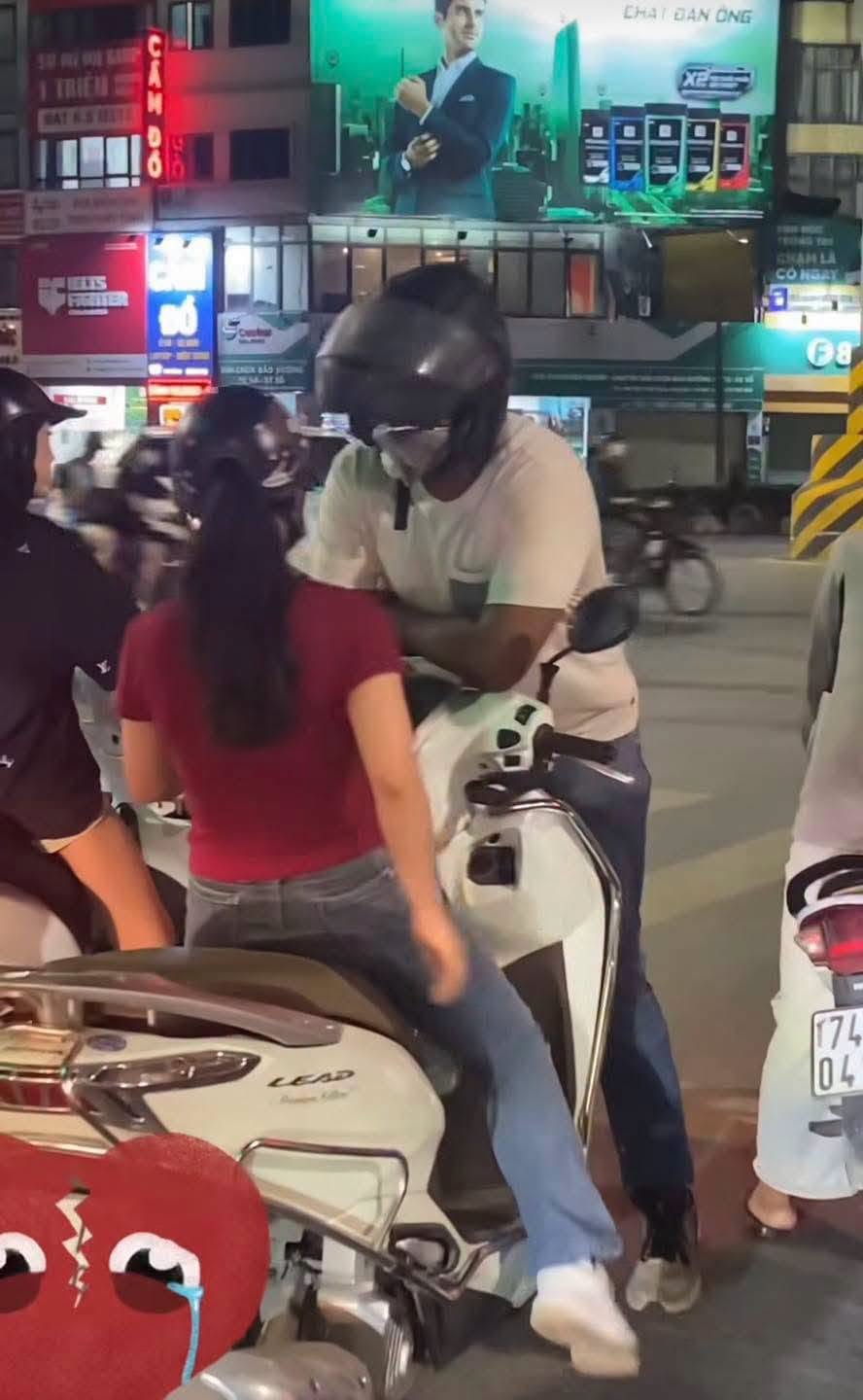
The comments followed recent reports of foreign nationals allegedly engaging in disruptive or threatening behavior in Vietnam, including a case involving a foreign man accused of harassing women on the street while carrying what appeared to be a weapon. While individual incidents should not be used to characterize millions of international visitors, the resident said they raise a legitimate question: how can Vietnam remain open to the world without compromising the safety, social order and cultural identity that make the country attractive in the first place?
Drawing on his experience living in Australia, he argued that Vietnam should learn from places where residents increasingly feel that crime, antisocial behavior or weak respect for the law have affected their quality of life. His assessment of Australia reflects his personal experience rather than an objective comparison of crime or law enforcement between the two countries, but his broader argument is straightforward: visitors should understand that entering another country also means accepting its laws and social norms.
He suggested that foreigners seeking to visit or live in Vietnam could be encouraged—or potentially required in some circumstances—to demonstrate basic knowledge of the country. That could include understanding Vietnamese traffic laws before riding a motorbike, the country’s particularly strict rules on illegal drugs, fundamental cultural norms and basic knowledge of modern Vietnam and its history.
The proposal is likely to divide opinion. Knowing who leads a country or recognizing important historical figures does not necessarily predict whether someone will obey the law, and additional entry requirements could create friction for Vietnam’s tourism industry. Criminal behavior by a small minority of foreigners should also not become a justification for stereotyping international travelers as a group.
But the underlying issue extends beyond immigration enforcement. As Vietnam becomes increasingly connected to global tourism, investment and remote-work communities, policymakers face the same balancing act confronting destinations across Southeast Asia: attracting international visitors while ensuring that rapid tourism growth does not erode local communities or create a sense that foreigners operate under different standards.
For the foreign resident, Vietnam’s relatively strong sense of public order is precisely something worth protecting. He praised the country for maintaining rules that can sometimes feel strict to outsiders but, in his view, help preserve the culture, everyday security and way of life that attracted many foreigners to Vietnam in the first place.
His criticism was also directed at attitudes rather than nationality. He questioned why some foreigners expect Vietnamese people to communicate with them in English while making little effort to understand Vietnamese language or culture themselves, and why travelers would rent motorbikes without first learning local traffic rules. His message was that being welcomed into another society comes with reciprocal responsibilities.
Vietnam’s hospitality is one of its strongest tourism assets, but hospitality and accountability do not have to be competing ideas. The overwhelming majority of foreign visitors may never create serious problems, while those who violate Vietnamese law should be judged by their conduct rather than their passports.
As Vietnam seeks to become one of Asia’s leading destinations for tourism, investment and international talent, perhaps the more useful question is not whether the country should welcome fewer foreigners. It is whether Vietnam can welcome more of the world while making one expectation unmistakably clear: if you choose to visit or live here, enjoy the hospitality—but respect the people, understand the culture and follow the law.
Related
Discover more from Vietnam Insider
Subscribe to get the latest posts sent to your email.
Source: Vietnam Insider