
On the afternoon of July 8, Ms. Nguyen Thi Thanh Lich, Vice Chairwoman of the Gia Lai Provincial People’s Committee, signed the official approval for the eco-tourism project. Specifically, this decree greenlights the master plan for both Kon Ka Kinh National Park and Kon Chu Rang Nature Reserve.
With this decision, these two unique ecological destinations in Gia Lai will officially allow businesses to invest in tourism. Consequently, enterprises can now welcome visitors and develop travel, resort, and entertainment services.
According to local authorities, the primary mission remains to preserve and promote natural landscapes. Furthermore, the government seeks to efficiently exploit the natural environmental potential of both locations. This development will blend tourism with local cultural identity. Ultimately, it will transform these sites into attractive, sustainable, and professional eco-tourism destinations for the province.
In addition, revenues generated from tourism activities will flow directly back into conservation efforts. Specifically, these funds will help restore and protect regional biodiversity while simultaneously boosting the local economy.
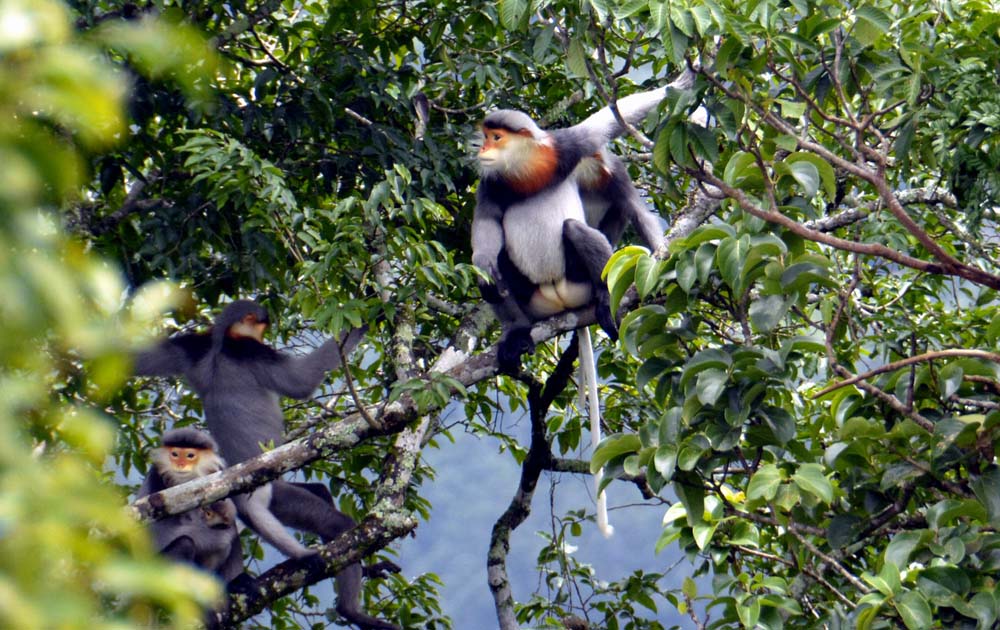
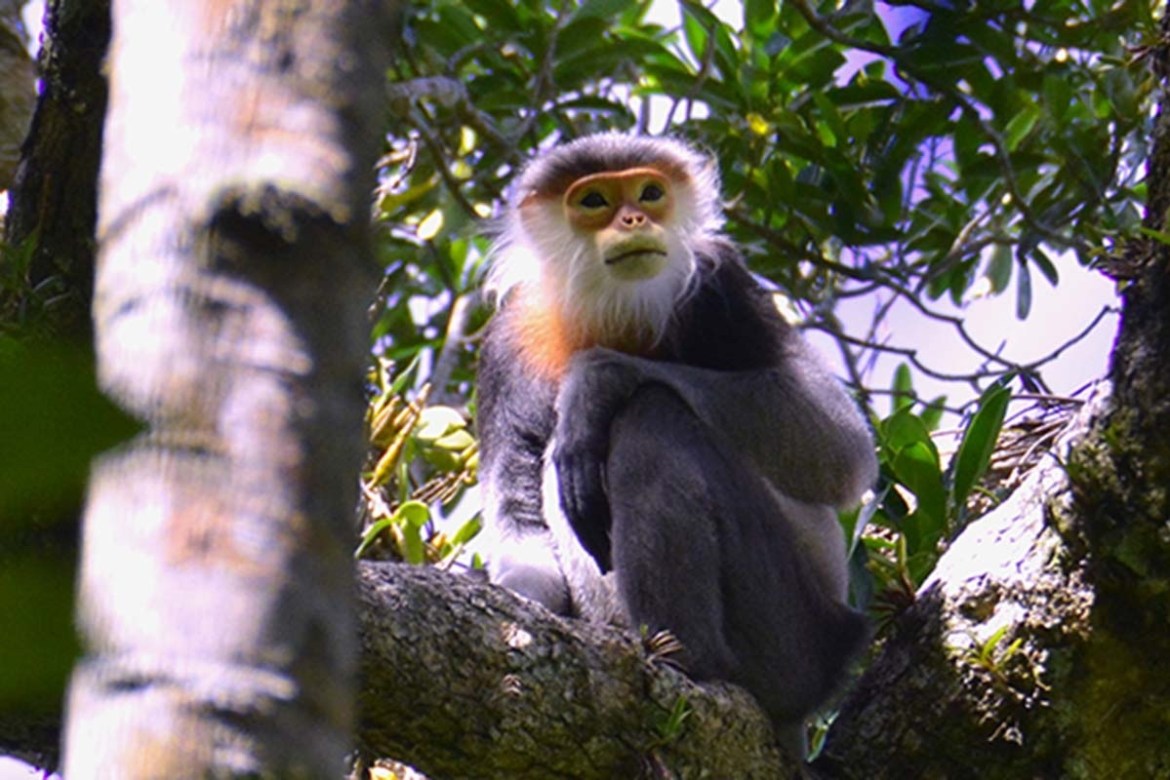
Kon Ka Kinh is home to the grey-shanked douc langur, a species endemic to Vietnam. Photo: Nguyen Ai Tam / Lao Dong Newspaper
At Kon Ka Kinh National Park, Gia Lai aims to attract at least three joint-venture investors for eco-tourism by the year 2030. Initially, development will focus on three key locations: the Administrative Service Center, the Bai Nai Eco-Resort, and the main Kon Ka Kinh Eco-Resort.
Afterward, the province plans to develop two new tourism spots at Suoi Ngoc and Nha Dam. Step by step, this strategy will establish Kon Ka Kinh as a major eco-tourism hub for the region.
Furthermore, planners will design 12 distinct eco-tourism, resort, and entertainment routes within the park. These pathways will utilize existing forest patrol roads and trails, spanning a total length of over 200 kilometers.
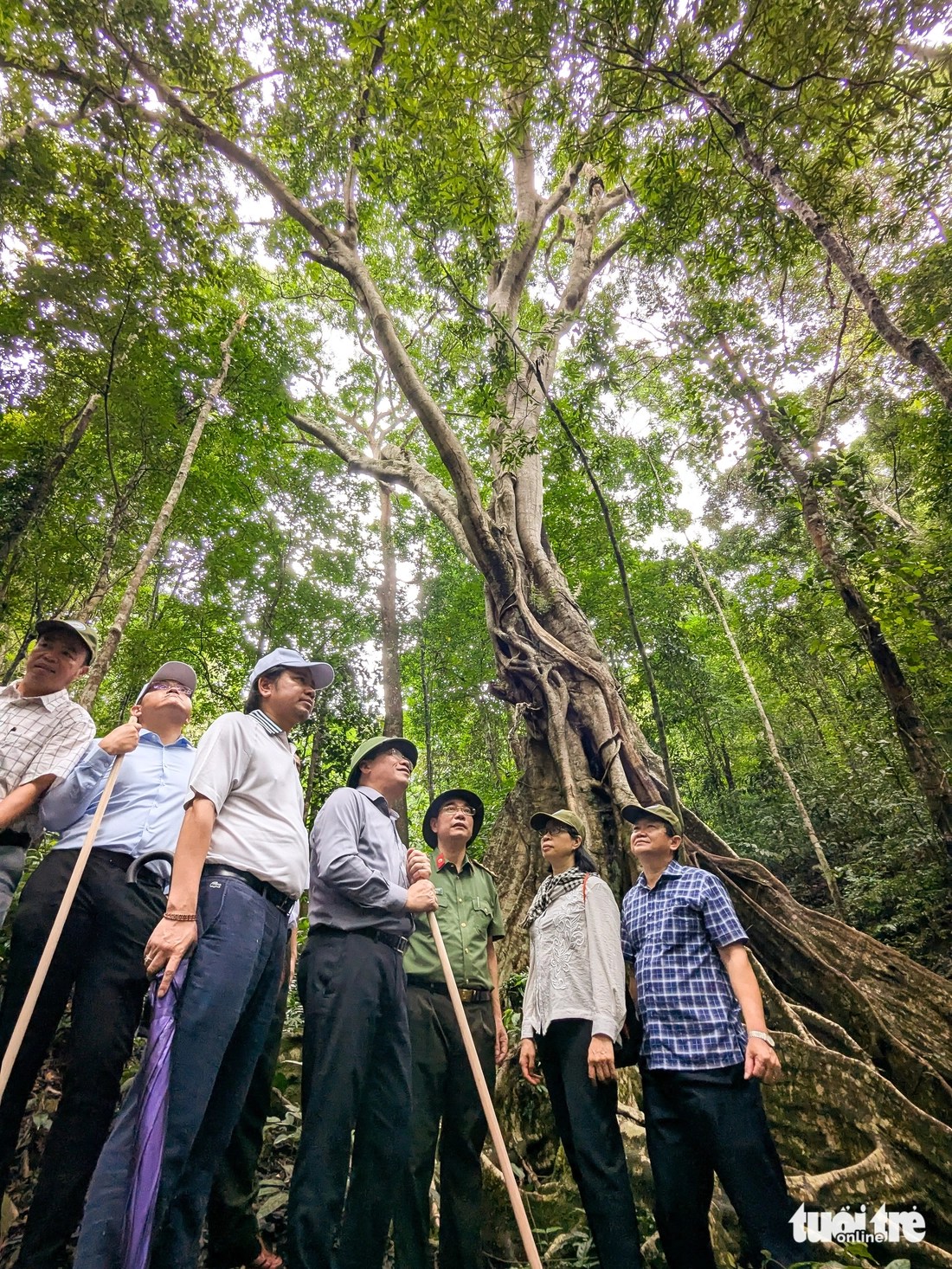
Gia Lai provincial leaders and tourism businesses conduct a field inspection to assess the eco-tourism potential of Kon Ka Kinh National Park. Photo: Tan Luc / Tuoi Tre Newspaper
Meanwhile, the target for the Kon Chu Rang Nature Reserve is to welcome 30,000 visitors annually by 2030. Consequently, total annual tourism revenue is expected to reach 30 billion VND. The reserve also aims to attract at least three joint-venture partners to lease the forest environment for tourism development.
Specifically, this protected wilderness will feature five dedicated eco-tourism, resort, and entertainment sites. These destinations include the Administrative Service Center and the Kon Chu Rang Eco-Experience area. Visitors can also explore the secluded Rung Tung Ecolodge, the breathtaking Hang En Waterfall experience site, and the Toc Tien Five-Tier Waterfall site.
The province will also map out eight distinct tourism routes within the reserve. These paths will follow existing roads with a total length of 190 kilometers.
Crucially, authorities emphasize that tourism activities must remain strictly outside of the hyper-protected core zones. Therefore, these operations will not affect the preservation of natural ecosystems, biodiversity, or the environment.
Ultimately, any construction serving eco-tourism, resorts, or entertainment must rely closely on nature. All structures must harmonize beautifully with the landscape and utilize eco-friendly materials.
Source: Vietnam Insider